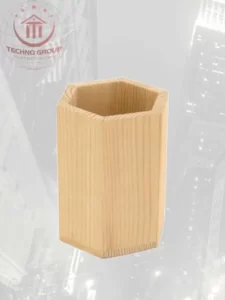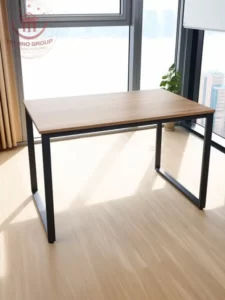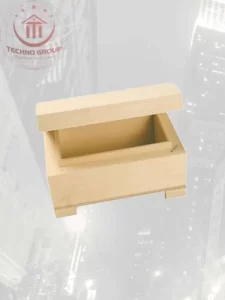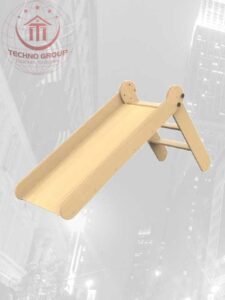
Woodworking is a rewarding and creative hobby that allows you to craft functional and decorative items from wood. Whether you’re interested in creating your own furniture, home decor, or smaller projects, woodworking can be a fulfilling endeavor. In this article, we’ll explore essential DIY woodworking guides for beginners to help you get started on your woodworking journey.
1. Safety First
Before diving into woodworking, it’s crucial to prioritize safety. Always wear appropriate safety gear, including safety goggles, ear protection, and a dust mask. Familiarize yourself with the safe operation of tools, and ensure your workspace is well-ventilated and free from clutter.
2. Start with Basic Tools
As a beginner, you don’t need an extensive collection of tools. Start with the basics:
Circular saw: Ideal for straight cuts and crosscuts.
Jigsaw: Great for curved and irregular cuts.
Clamps: Essential for securing wood pieces during assembly.
Screwdrivers: Necessary for attaching and securing components.
Measuring tape and square: To ensure accurate measurements and angles.
3. Wood Selection
Understanding wood types and their characteristics is crucial. Softwoods like pine and cedar are beginner-friendly, while hardwoods like oak and maple offer durability and an attractive finish. Begin with affordable wood to practice your skills before moving on to pricier varieties.
4. Learn the Basics of Joinery
Joinery involves connecting wood pieces to create strong, stable structures. As a beginner, focus on mastering the following basic joinery techniques:
Butt joints: Simple and straightforward, but may require additional support.
Screw joints: Secure and easy to execute with screws and a drill.
Pocket hole joinery: Involves drilling angled holes for hidden screws.
Mortise and tenon joints: More advanced but creates strong, hidden connections.
5. Planning and Measurement
Accurate measurements and a well-thought-out plan are essential for successful woodworking projects. Always start with a clear design and precise measurements. Take your time to measure twice before making cuts or assembling pieces.
6. Sanding and Finishing
Sanding smooths the wood’s surface and removes imperfections. Finish your project with a wood finish, stain, or paint to protect the wood and enhance its appearance. Experiment with different finishes to achieve the desired look.
7. Practice and Patience
Woodworking is a skill that improves with practice and patience. Don’t be discouraged by early mistakes; they are part of the learning process. Start with simple projects and gradually take on more complex ones as you gain confidence.
As a beginner in woodworking, you have an exciting journey ahead. By following these DIY woodworking guides for beginners, you can develop your skills, tackle new projects, and create beautiful, functional pieces of woodwork. Remember that safety, practice, and a willingness to learn are the keys to success in woodworking. Whether you’re building a bookshelf, crafting a picture frame, or constructing a table, woodworking is a satisfying and creative hobby that offers endless possibilities for self-expression and personal satisfaction.